Код виртуозной игры на фортепиано
3 шага к абсолютной свободе и мастерству в игре на фортепиано
Татьяна Кузьмина - пианистка, певица, основательница Международной Oнлайн-Академии фортепиано
Наследие русской фортепианной школы в новом прочтении
Моя методика опирается на элитарные традиции русской фортепианной школы. За 20 лет преподавания я трансформировала эту фундаментальную базу в собственную авторскую систему. Работая в РАМ им. Гнесиных, я осознала: истинная виртуозность - это не механическая зубрежка, а радикальное изменение физических ощущений во время игры.
Выше технического потолка
Я учу не просто «технике» — я обучаю состоянию абсолютной свободы, в котором усилие и зажимы исчезают сами собой. Когда меняются внутренние ощущения, пресловутый «технический потолок» просто растворяется. Мой метод позволяет выйти на любой темп и справиться с любой сложностью, потому что инструмент перестает быть препятствием и становится продолжением вашего тела.
31 год за роялем
Три десятилетия исполнительской практики и более 20 лет педагогического стажа сформировали мой подход. Независимо от того, новичок вы или профессионал, моя миссия как основательницы Международной онлайн-академии — помочь вам полностью перестроить привычные паттерны игры. Синтезируя классическое мастерство с современной биомеханикой, я помогаю пианистам по всему миру обрести виртуозность, которая ощущается так же естественно, как дыхание.
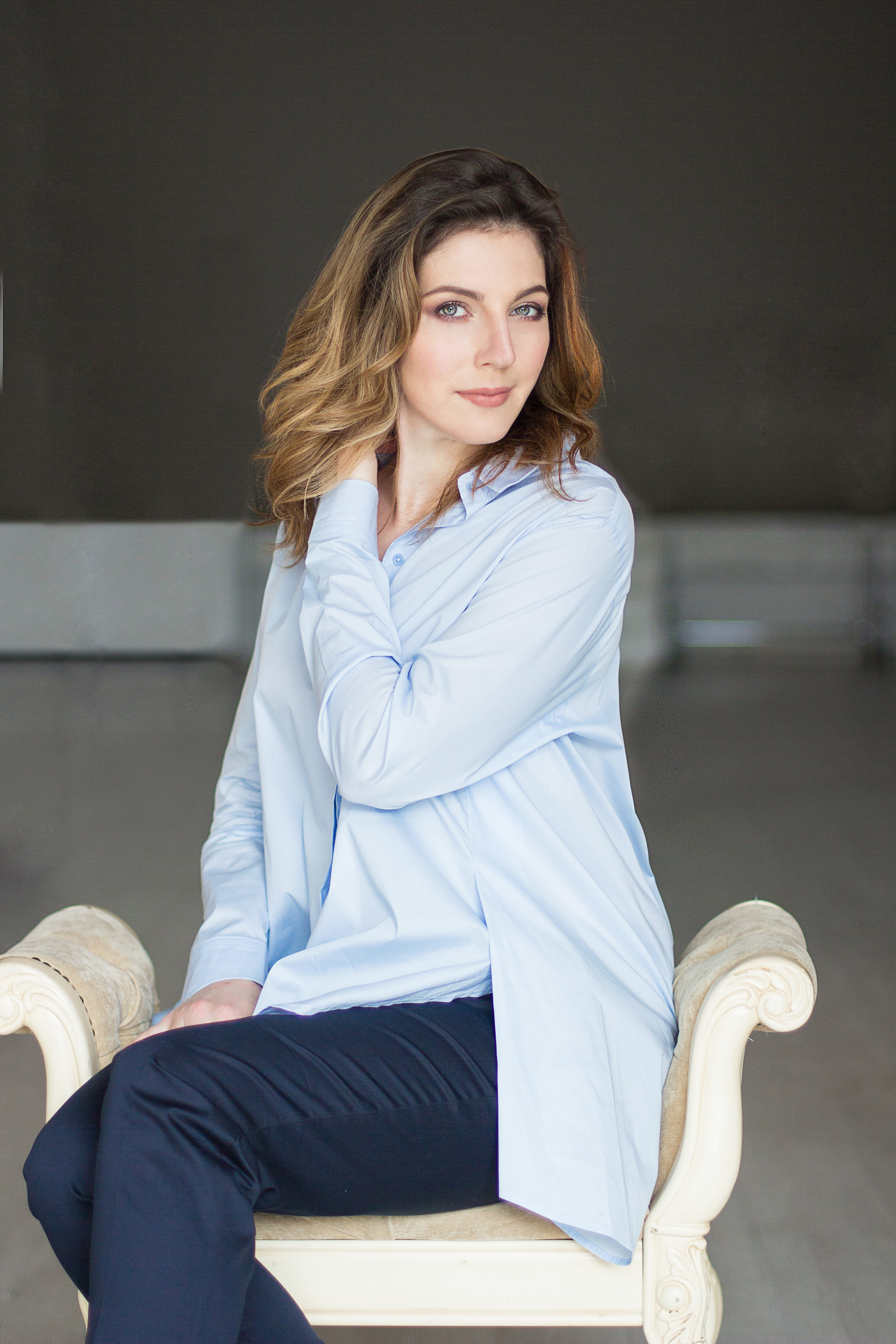
«Искусство свободной виртуозности в действии» — Кода из Баллады №4
Шопена фа минор, соч. 52.
Три столпа моей методики
Я убеждена, что виртуозность — это не врожденный дар, а точная и понятная технология. Моя система «Свобода виртуозности» держится на трех фундаментальных китах, которые полностью меняют ваше взаимодействие с инструментом:
Столп 1 — Принцип гравитации. Вес свободы
«Вес руки — это не просто физическая тяжесть, это живой поток энергии, зависящий от множества факторов. Чтобы подчинить его себе, нужно найти идеальный баланс между телом, техникой и внутренним состоянием».
Из чего складывается свободный вес?
Ваше умение извлекать глубокий, поющий звук без усталости зависит от четырех ключевых элементов:
- Организация аппарата и точка опоры (Постановка): правильный постановочный свод, который точно проводит вес руки через подушечку пальца в клавишу. Если этот баланс нарушен, вес блокируется и застревает в зажатом запястье.
- Гибкость запястья (Передача импульса): навык плавно, как по цепочке, переносить вес от одной ноты к другой. Именно это освобождает руку и дарит невероятную легкость в быстрых пассажах.
- Ощущение тела (Телесный фокус): способность мгновенно замечать и сбрасывать напряжение по всему телу — от плеч до спины. Свободная рука начинается с баланса всего корпуса.
- Психология (Ментальный настрой): наши мысли напрямую управляют телом. Страх сцены или излишнее старание заставляют руку зажиматься и терять вес. Мастерство — это умение оставаться свободным внутри даже в стрессовой ситуации.
Организация аппарата — мост для гравитации
Проводящий каркас
«Каким бы расслабленным ни был ваш аппарат, вес руки никогда не дойдет до клавиш, если нарушен постановочный процесс. Неправильная постановка заставляет запястье зажиматься, компенсируя неустойчивость, что мгновенно блокирует естественную силу гравитации».
Проверьте свои руки прямо сейчас
Несмотря на множество индивидуальных нюансов, есть три классические ошибки, которые чаще всего блокируют скорость. Взгляните на свои руки во время игры — узнаёте какую-то из них?
3 главные технические ошибки:


Проваленный купол (Проваленная ладонь)
- Суть: Ладонь теряет свой естественный свод, и внутренняя опора исчезает.
- Результат: Вес руки «утекает» через ладонь и не доходит до кончиков пальцев, из-за чего звук становится плоским, поверхностным и слабым.

Зажатый первый палец и скованное запястье
- Суть: Напряжение в большом пальце создает жесткий блок, который сковывает всё запястье.
- Результат: Жесткое запястье работает как плотина — оно блокирует свободный поток веса от корпуса к инструменту.

Пятый палец «крючком»
- Суть: Чрезмерное поджимание мизинца вместо использования его как устойчивой, надежной опоры.
- Результат: Это создает сильнейшее мышечное напряжение по внешнему краю кисти, разрушает баланс веса и приводит к быстрому утомлению руки.
Искусство движения — гибкость запястья
Универсальные ключи к виртуозности
«Существует всего два фундаментальных движения запястья, на которых строится вся фортепианная техника. Подчините их себе — и вы подчините себе инструмент».
Два базовых движения
Эти движения идентичны для обеих рук, но зеркальны по направлению. Именно они являются «родителями» всех технических приемов — от гамм до сложнейших виртуозных пассажей.
- Круговое движение (плавная дуга вниз):
• Правая рука: Движение вниз и плавно наружу вправо
- Принцип адаптации: Все остальные движения — это лишь адаптация этих двух. Регулируя амплитуду и скорость, вы играете за счет естественной инерции запястья, полностью исключая грубую физическую силу.
Результат: Свободная виртуозность. Вы больше не играете изолированными пальцами — вы играете через них, направляя вес всей руки.
Главный тест — связь ума и тела
«Главный враг свободы — это страх взять фальшивую ноту. Этот ментальный барьер создает невидимые мышечные зажимы еще до того, как ваши пальцы коснутся клавиш».
Парадокс веса: Свобода против структуры
Главный вызов для большинства пианистов — соединить тяжелую, расслабленную руку с точной фиксацией опоры. Если аппарат будет излишне вялым, в момент соприкосновения с клавишей постановочный свод «рухнет», а пальцы провалятся. Вес руки просто разольется по клавиатуре вместо того, чтобы уйти в звук.
Истинное мастерство требует парадокса: полностью освобожденная рука от самого плеча, которая опирается на стабильный каркас купола и цепкую подушечку пальца.
Практика: Упражнение «Свободное падение»
Это упражнение восстанавливает правильную связь между вашим разумом, телом и инструментом.
- Падение на колено: Поднимите руку и позвольте ей упасть на колено абсолютно «мертвым грузом». Почувствуйте тяжелое, полное расслабление в плече и локте. Это ваша эталонная точка ощущения гравитации.
- Перенос на клавиатуру: Подойдите к роялю с этим же ощущением. «Уроните» руку в клавишу без какого-либо мышечного замаха или подготовки в воздухе.
- Активное приземление (Сохранение купола): В момент падения подушечка пальца должна четко и надежно зафиксироваться на клавише. Свод кисти (купол) обязан удержать форму и ни в коем случае не провалиться, пока запястье остается абсолютно мягким, гибким и слегка пружинит вниз, амортизируя удар.
- Самоанализ: Если ваш свод провалился или стал плоским — в аппарате нет устойчивости, и пальцы потеряли необходимую опору.Если вы почувствовали толчок, жесткость или «зажим» в запястье или локте — вы подменили естественный вес руки контролируемым мышечным давлением и грубой силой.
Столп 2 — Активные пальцы и ювелирная артикуляция
Секрет скорости: Артикуляция против замаха
В моей методике мы строго разделяем два понятия: высокий мышечный замах и точная артикуляция. Высокий, напряженный замах пальцев — главный враг скорости. Чтобы играть по-настоящему быстро, пальцы должны оставаться близко к клавишам. Скорость рождается не из театральной амплитуды, а из активных, независимых кончиков пальцев и мгновенных, точных импульсов нервной системы.
Упражнение на сепарацию пальцев (Техника изолированной артикуляции)
Это упражнение помогает изолировать движение каждого отдельного пальца от остальных мышц кисти — сначала на ровной поверхности, затем на клавиатуре.
● Позиция на плоскости: Положите ладонь абсолютно плоско и расслабленно на стол или крышку рояля. Запястье должно лежать спокойно, без какого-либо скрытого напряжения.
● Действие: Слегка приподнимите один-единственный палец от пястно-фалангового сустава (основания пальца). Не стремитесь к максимальной высоте, фокус — только на чистой изоляции.
● Самоанализ: Внимательно посмотрите на кисть. Если запястье напряглось, а соседние пальцы напрягаются или приподнимаются вслед за ним — вы включаете лишние мышцы. Именно так создается технический зажим в быстрых пассажах.
● Перенос на клавиши: Повторите то же самое движение на клавиатуре. Поднимайте и опускайте палец, следя за тем, чтобы запястье оставалось абсолютно пластичным, а остальные пальцы спокойно отдыхали на клавишах.
Ритмический тренинг в условиях непрерывного веса руки
Многие студенты часами учат пассажи ритмическими вариантами (пунктирный ритм, триоли) для развития техники, но совершают фатальную ошибку: они начинают играть поверхностно, теряют вес руки (Столп 1) и зажимают запястье.
Железное правило: Любое ритмическое упражнение должно выполняться строго с сохранением непрерывного ощущения «тяжелой, свободной руки».
Как это работает: Ваши пальцы четко артикулируют меняющийся ритмический рисунок, но запястье при этом обеспечивает плавный перенос веса от ноты к ноте, не давая ему застрять. Мы никогда не используем пальцы в отрыве от веса тела; они — лишь точные переключатели, где гравитация соединяется с клавишей.
Визуализация точности: Чтобы играть быстро, ваши пальцы должны работать как независимые, четкие триггеры, мгновенно передающие вес, пока сама рука остается полностью расслабленным, тяжелым маятником.
Столп 3 — Скорость мышления и внутренний слух
Анатомия ментального напряжения
Физический зажим в руках редко связан со слабостью мышц. Чаще всего это защитная реакция вашей нервной системы. Руки «каменеют» из-за того, что пальцы бегут впереди головы. Когда пальцы движутся быстрее, чем мозг успевает обработать информацию, они в буквальном смысле «не знают, куда бежать дальше», и запястье мгновенно блокируется, чтобы предотвратить ошибку.
Вы можете играть свободно только в том темпе, в котором способны ярко, отчетливо и во всех деталях услышать музыку внутри своей головы. Если мозг отстает от физического движения хотя бы на миллисекунду — скованность неизбежна. Скорость целиком и полностью диктуется чистотой и скоростью ментального сигнала.
Метод пропевания (Формирование ментальной карты пассажа)
Главный тест на истинное владение текстом прост: вы можете сыграть пассаж только так быстро, как способны мысленно «проговорить» его ноты. Чтобы выстроить четкую ментальную карту до начала игры, используйте метод вокализации:- Правило упрощения: Вслух и в темпе называйте ноты пассажа. Пропускайте слова «диез» и «бемоль» (просто говорите, а лучше пропойте: До, Ре, Ми...). Ваш язык не успеет за быстрым темпом, если вы будете перегружать слова знаками альтерации.
- Связь с пальцами: Если ваш язык запинается или вы берете паузу, чтобы вспомнить название следующей ноты — ваши пальцы неизбежно запнутся на этом же месте на клавишах. Вокализация связывает воедино ваш внутренний слух и кончики пальцев.
Метод группировки и импульсные пробежки
Чтобы научить мозг всегда опережать пальцы, необходимо разбивать длинные и сложные пассажи на микрогруппы.
- Правило группировки: Разделите пассаж на небольшие отрезки — чаще всего по 4 или 8 нот (иногда по 5, в зависимости от музыкального рисунка).
- Опорная точка: Ваша задача — пролететь одну группу на максимальной скорости и остановиться ровно на первой ноте следующей группы. Эта первая нота становится вашей «безопасной гаванью» и точкой приземления.
Практика: Упражнение «Пробежки по точкам опоры»
Суть упражнения: Вы учите мозг и аппарат работать в режиме «вспышка и покой». Рука выполняет молниеносное движение по инерции, после чего мгновенно отдыхает в следующей опорной точке.
Пошаговое выполнение:
- Осознанная пауза (Точка покоя): Опустите руку на первую ноту пассажа. Позвольте клавише принять полный вес тяжелой, свободной руки. Это ваша точка абсолютного физического и ментального покоя. Удерживая эту опору и никуда не торопясь, мысленно или вслух отчетливо пропойте названия всех нот следующей группы. Мозг должен зафиксировать цель до начала движения.
- Предчувствие инерции: Не думайте о подъеме или замахе отдельных пальцев. Опираясь на Столп 1 (Принцип гравитации), мысленно представьте единую, целостную траекторию движения запястья. Вам нужно увидеть внутренним зрением плавную дугу, по которой рука скользнет по клавишам.
- Импульсная пробежка: Сыграйте намеченную группу в максимальном темпе, как единый, цельный импульс. Позвольте запястью легко перенестись по инерции от ноты к ноте и тяжело, надежно зафиксироваться на первой ноте следующей группы. Пальцы в этот момент — лишь чуткие триггеры, передающие общую массу руки.
- Сканирование и перезагрузка: Замрите на этой новой опорной ноте. Мгновенно просканируйте тело: свободно ли запястье? Тяжела ли рука? Почувствуйте, как инструмент продолжает надежно держать вес вашей расслабленной руки. Удерживая это ощущение свободы, мысленно представьте следующую группу нот и повторите процесс.
Что делать после гайда. Как применить систему
на практике
Что делать дальше?
Теперь у вас есть готовая карта и понимание того, как работает система свободных рук. Сейчас перед вами два пути:
1. Оставить всё как есть. Закрыть этот гайд, вернуться к привычным занятиям и продолжать бороться с зажимами в руках и срывами на скорости самостоятельно.
2. Сделать первый уверенный шаг к свободной и виртуозной игре. Не откладывать изменения на потом, а сразу начать внедрять эту технологию на практике под моим чутким руководством.
Самым простым, доступным и эффективным первым шагом для вас станет мой короткий 3-дневный мастер-класс «3 секрета виртуозности». Это концентрат практических упражнений, где я наглядно показываю, как запустить и освоить управление весом руки, включить когнитивную скорость и разгонять пассажи без потерь в качестве.
Эксклюзивно для читателей этого гайда: На следующей странице вас ждёт подробная программа практикума и специальное предложение — скидка 40%, которая будет действовать всего 48 часов.
Переходите по кнопке ниже, чтобы сделать свой первый шаг к свободе за инструментом по лучшей цене:
ИП Кузьмина Т.А.
ИНН 672908943195
ОГРНИП 320673300029367
© 2019. Все права защищены.